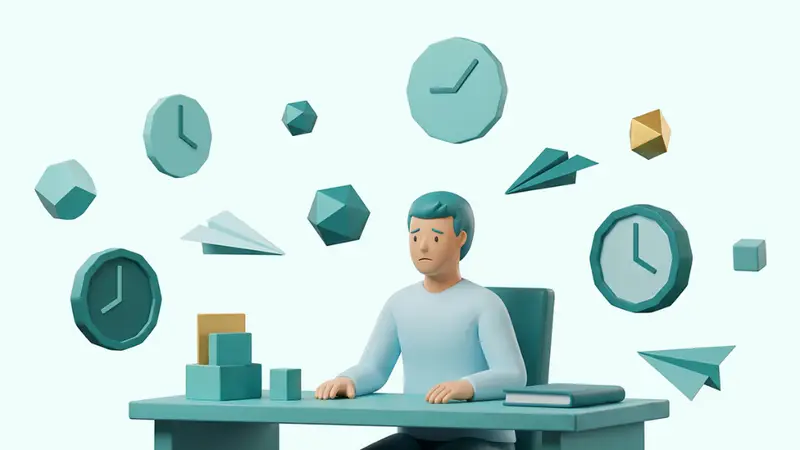
In a work meeting the manager asks each team member to briefly present their week’s results. As your turn approaches, your heart pounds as if you had run up five floors, your palms dampen, and every prepared phrase vanishes. Or another scene: you get an invite to a colleagues’ party and — though you want to stay on good terms — you start inventing an excuse days ahead. People who live through states like these often call themselves simply shy or reserved, yet in psychology the pattern is named social anxiety.
Introversion, shyness, or social anxiety: where is the difference?
Everyday speech treats these three words as synonyms, but they describe very different psychological mechanisms. For more on personality poles, see introvert, extravert, or ambivert :
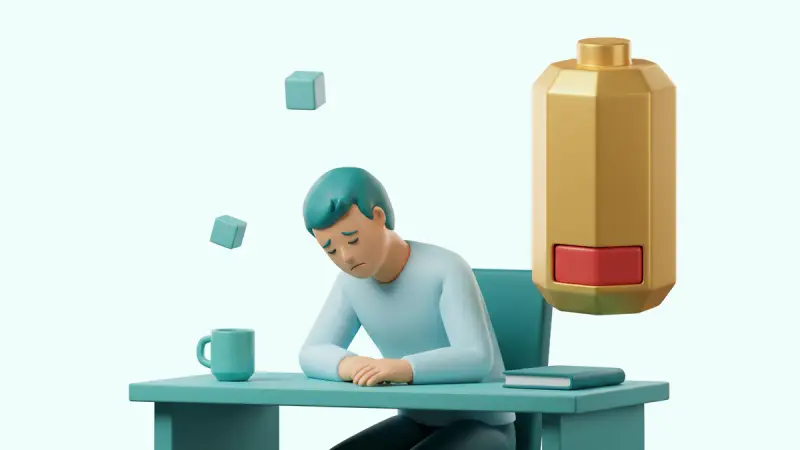
- Introversion is an innate personality trait. Introverts can negotiate, present, and connect well — yet intense social contact drains their energy. They choose alone time because quiet feels restorative, not because contact is terrifying.
- Shyness is a milder form of social caution. A shy person feels awkward in a new group at first and talks less, then relaxes within tens of minutes and joins in.
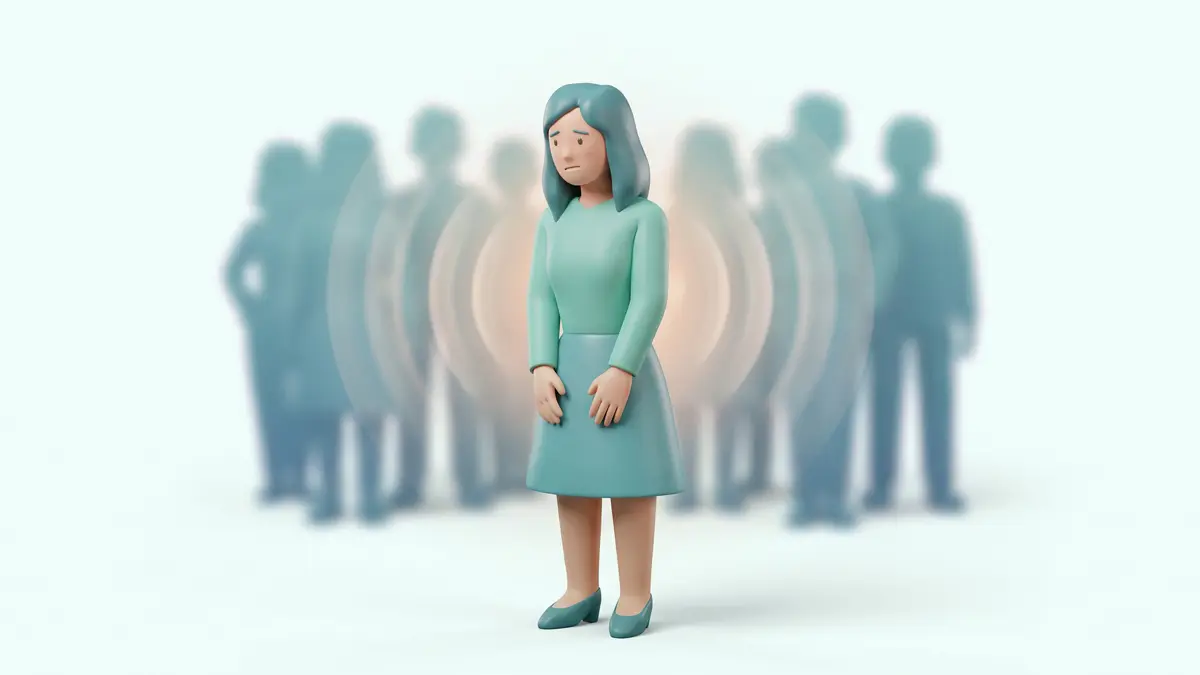
- Social anxiety is a fear-and-stress reaction. People in this state often want connection and belonging, yet intense fear of looking wrong, saying the wrong thing, or being criticised freezes them. Solitude is chosen as protection from emotional pain — and withdrawal is often followed by loneliness and guilt.
Three directions of social anxiety: where does tension peak?
Drawing on psychiatrist Dr. Michael Liebowitz’s and psychologist Dr. Richard Heimberg’s research, social anxiety is not one-size-fits-all — it activates in different situations for different people.
1. Fear of negative evaluation and criticism
- How it shows up: this is the core axis of social anxiety. It feels as if others constantly watch, judge appearance and words, and hunt for flaws. In conversation the person stays overly polite, agrees with others, and avoids real opinions to prevent disapproval. That also ties to contingent self-esteem , when personal worth hangs on other people’s reactions.
- Impact: even after a smooth chat the brain starts post-event processing — hours of replaying phrases and regretting details others never noticed, much like an overthinking loop.
2. Public speaking and centre-of-attention tension
- How it shows up: these people may talk freely with colleagues over coffee, yet feel intense stress when formal attention lands on them — presenting a project, speaking in a meeting, taking an exam, or working while someone watches their screen.
- Impact: a sharp physiological response rises (blushing, sweating, shaky voice, heart palpitations). What scares most is not the task itself but fear that the audience will see those outward signs of nerves. People then decline promotions and avoid leadership.
3. Avoidance of informal social situations
- How it shows up: paradoxically, some can read a prepared speech on stage — clear rules apply — yet panic in the informal part of an event. Hardest are light, low-stakes conversations (small talk), calling strangers, or going to parties.
- Impact: to hide the struggle they use safety behaviours at events — staring at the phone, standing in a corner, or declining invites altogether — slowly isolating themselves from social and professional networks.