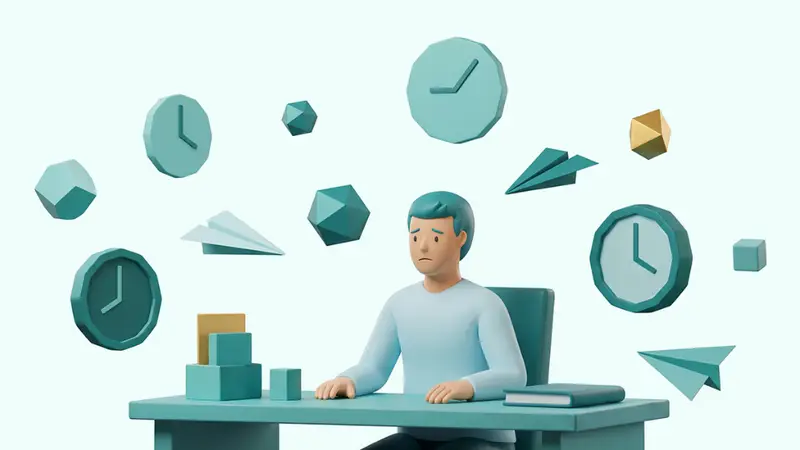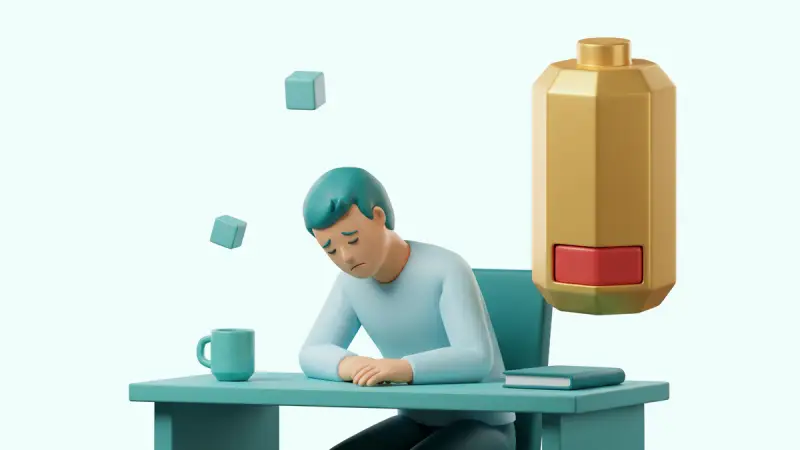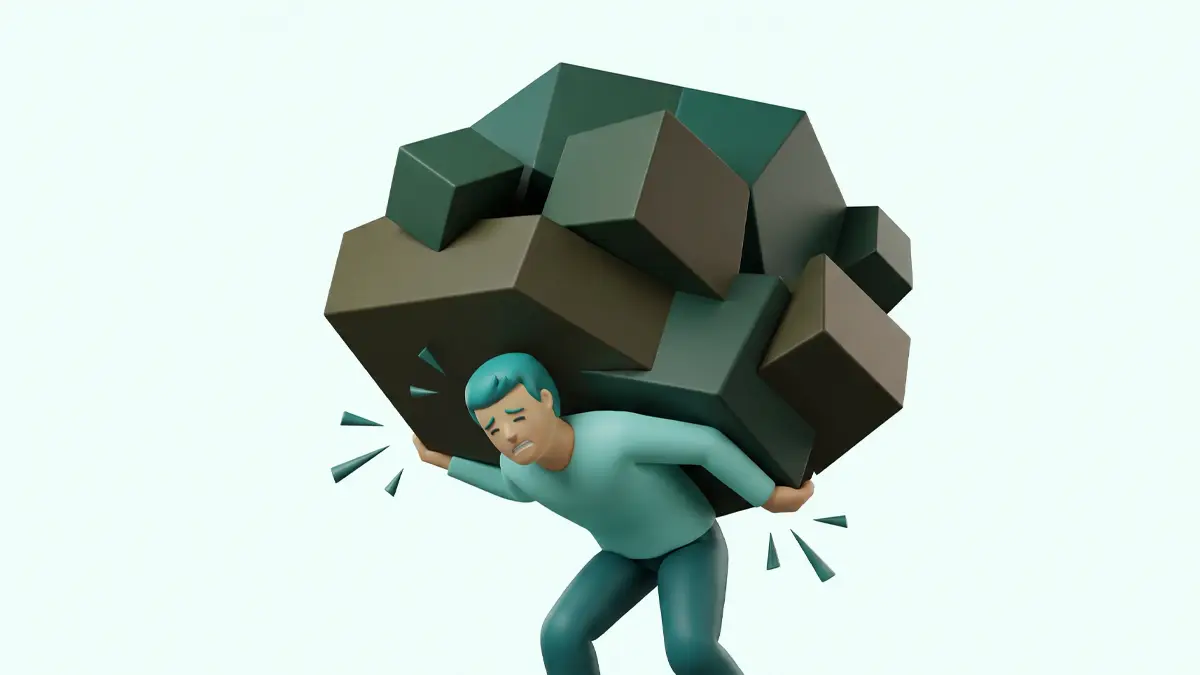
You wake up already tired. Before you have even got out of bed, an endless list of tasks and responsibilities begins running through your mind. There is a dull ache in your stomach, and your heart is beating a little faster than it should. If this is your typical morning, your nervous system may be stuck in a cycle of chronic stress.
Stress is not inherently harmful. It evolved as a protective response that could save our lives. When our ancestors encountered a predator, the brain immediately released adrenaline and cortisol into the bloodstream. The heart rate increased, blood pressure rose and muscles tensed as the body prepared for physical action. Once the danger had passed, the system would naturally return to a resting state within a few hours.
The problem is that the brain does not distinguish between a real physical threat and an approaching deadline, an angry message from a manager or financial trouble. The body responds in exactly the same way. When these psychological stressors become part of everyday life, we never fully return to our baseline state of calm. This is chronic stress: the body uses its remaining energy reserves to stay on constant alert until it eventually burns out.
How to recognise chronic stress: warning signs
Chronic stress is insidious. Over time, people grow accustomed to feeling unwell and begin to treat it as normal. Many do not realise how much tension they are carrying until their body can no longer cope and forces them to stop through physical illness or burnout . These symptoms generally appear on three levels:
1. Cognitive and emotional changes
The brain's executive functions are often affected first. It becomes difficult to stay focused , you make careless mistakes at work, forget arrangements and struggle to recall even simple words. Psychologists often call this brain fog. Emotionally, you become highly sensitive: small things that never used to bother you now exhaust your patience. You may feel an unexplained urge to cry or, at the other extreme, complete apathy.
2. The body's physical response
The body holds on to physical tension as though it were preparing to defend itself against a real threat. This may show up as teeth grinding (bruxism), persistently tight neck and shoulder muscles, or recurring headaches. Excess cortisol suppresses digestion and immune function, so you may catch colds more often or develop reflux or symptoms of irritable bowel syndrome. Sleep becomes shallow: despite feeling utterly exhausted, you wake during the night with racing thoughts and cannot fall asleep again.
3. Changes in habits and behaviour
In search of quick relief, people often turn to harmful coping mechanisms. These may include emotional eating (especially cravings for sweets and carbohydrates), increased alcohol use or simply endless, automatic scrolling on a phone to escape distressing thoughts. People may also withdraw from friends because social interaction requires energy they no longer have.