
Skip to content

Good to know

Digital Fatigue and FOMO: What Really Controls Your Attention?

Author: The Tester.lt team

For most of us the day starts the same way: the alarm goes off and, still in bed, we reach for the phone. We check social media, news sites and email. We tell ourselves we just want to catch up on overnight news. Behind that innocent morning habit, though, often sits a deeper psychological mechanism — the fear of missing out, better known as FOMO.

Key takeaways

  • FOMO is a constant background anxiety that most smartphone users encounter in everyday life.
  • Constant short-form content consumption fuels the so-called “popcorn brain” effect — the ability to sustain focused attention for long stretches declines.
  • The solution is not quitting technology altogether, but consciously restoring boundaries between virtual and physical space.
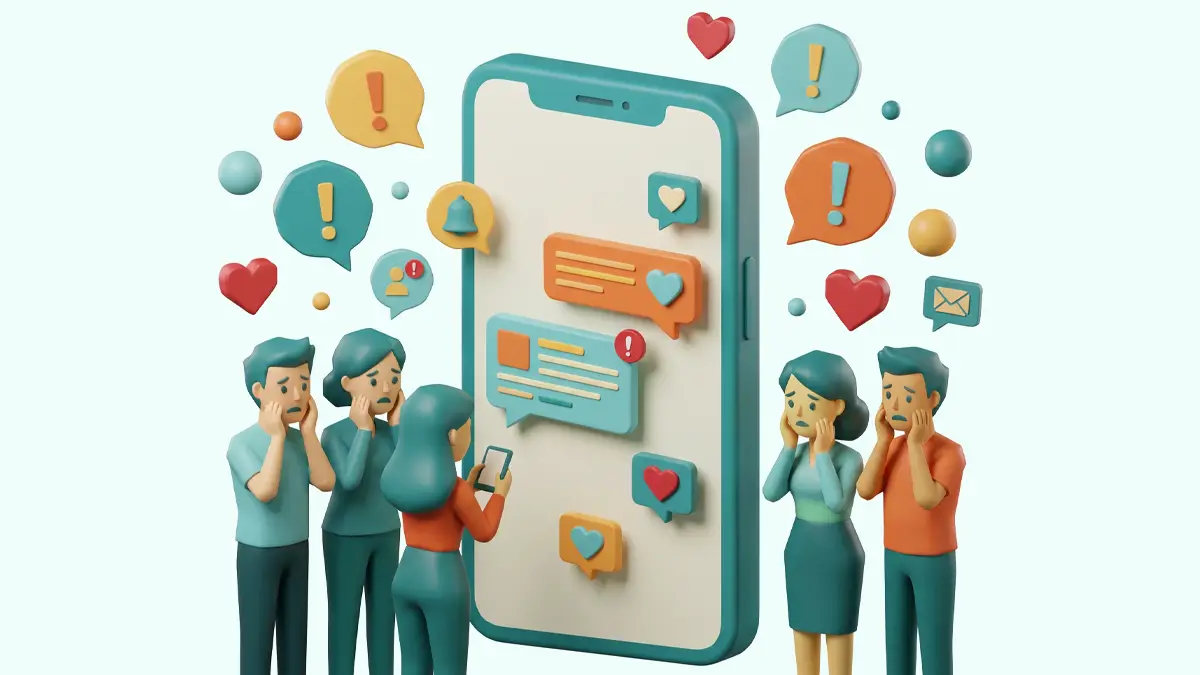
Digital addiction and FOMO test: people looking at a smartphone surrounded by notification icons

For most of us the day starts the same way: the alarm goes off and, still in bed, we reach for the phone. We check social media, news sites and email. We tell ourselves we just want to catch up on overnight news. Behind that innocent morning habit , though, often sits a deeper psychological mechanism — the fear of missing out, better known as FOMO (Fear Of Missing Out).

Why the numbers matter

According to DataReportal’s annual global digital overviews, in 2024 the average person spent about 6 hours and 40 minutes online each day, with most of that time on smartphones. That means we give screens a quarter of every 24-hour day — and nearly half of our waking hours. Such mass technology use is unprecedented, and it is changing how we communicate, rest and take in information.

The illusion that everyone else is living better

FOMO is not new. People have always wanted to feel part of a community and feared being left out. Smartphones and social networks turned that natural fear into a mass phenomenon. Online we see carefully curated highlights of other people’s lives — perfect holidays, career wins, cosy gatherings.

When we compare our everyday reality — with all its routine, tiredness and chores — to someone else’s highlight reel, dissatisfaction with our own life comes naturally and subjective happiness drops. If you see a photo of friends spending time without you, the brain may read it as a threat of social exclusion. That anxiety drives constant feed-refreshing in search of proof that we are still in the middle of things.

“Popcorn brain” and lost attention

Constant information intake reshapes our habits. Social networks are built to keep stimulating the brain’s reward system with dopamine. Every new like, message or short video delivers a quick hit of satisfaction.

Over time the brain adapts to that high speed and constant stimulation. Neuroscience sometimes calls this “popcorn brain” — thoughts jump quickly and without pause, hunting for the next stimulus. It becomes strikingly hard to finish a long article, listen to someone without interrupting, or watch a film without picking up the phone.
When the screen matters more than reality

Digital fatigue shows up in concrete daily symptoms. One is phantom vibration syndrome — the sense that the phone buzzed in your pocket when there was no notification at all. That points to a nervous system stuck in constant alert mode, close to chronic stress .

Many people also feel lasting pressure to stay always available. After a message arrives, we often feel obliged to reply within the minute, and delay brings discomfort. Over time that constant availability erodes real relationships. Being physically next to someone loses meaning if your eyes keep drifting to a screen mid-conversation.

Rest suffers too. So-called doomscrolling — mindless, automatic browsing of news or social feeds late at night — stops the body from winding down for sleep, especially when your biological clock is already calling for rest. The brain feels tired yet keeps demanding new information. The body wears down further, and focusing the next day becomes much harder.

From FOMO to JOMO: how to take back control

Escaping digital fatigue does not mean deleting every app or giving up your smartphone. What matters is reclaiming control of your personal time and attention.

Specialists suggest starting with small but clear boundaries. First, turn off every non-essential notification. Not every social post or newsletter is important enough to interrupt your work or rest.

Second, create physical spaces without screens. In the bedroom, for example, replace the phone with a traditional alarm clock and leave the mobile charging in another room. That solves both morning and evening mindless browsing.

Finally, it helps to practise JOMO (Joy Of Missing Out) — the pleasure of missing something. That means accepting you do not need every headline or every online debate. Being able to disconnect, walk without a phone, or simply drink coffee in peace is one of today’s most valuable skills. If you are unsure whether you keep a healthy balance, assess it objectively. The Digital engagement and FOMO test will show your everyday habits clearly and point to where firmer boundaries between real life and screens would help.

Sources

  • Digital 2024: Global Overview Report (joint Meltwater and We Are Social study) — global statistics on internet, smartphone and social media use.
Procrastination types test: putting tasks off and time-management habits
Lifestyle

Why Do We Put Things Off? 4 Types of Procrastination and How to Overcome Them

Procrastination is not laziness — it is an emotion-regulation problem. Learn your delay type (perfectionist, dreamer, worrier or deadline-chaser) and how to change it.

Read article
Shopping habits test: financial psychology and spending decisions
Lifestyle

Shopping Psychology: Why We Spend Money on Things We Do Not Need

Shopping habits are not simply a failure of willpower. Learn which cognitive biases and principles of behavioural economics shape your financial decisions.

Read article

Another discovery

Want another discovery?

If you’re still unsure where next — let chance pick an unexpected test for you.

One tap — one unexpected test.