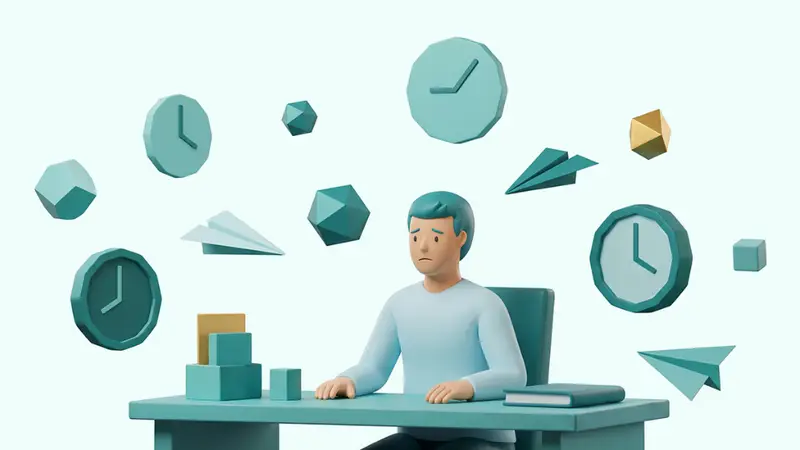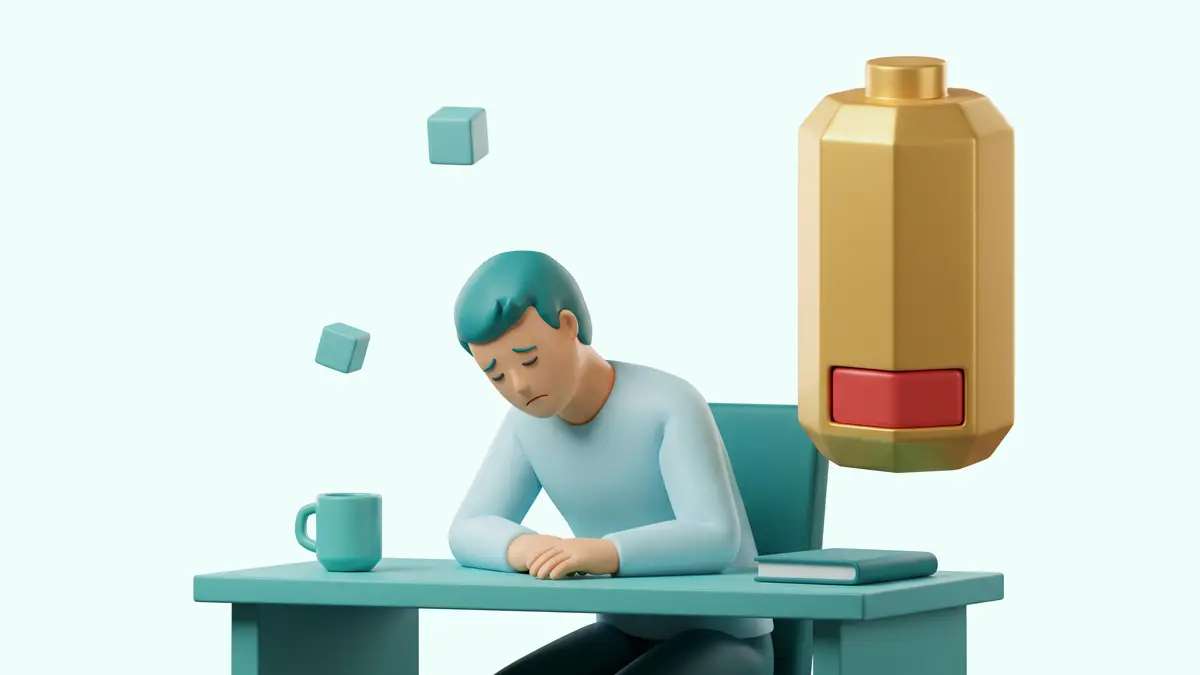
By the end of the working day, you have no energy left even for a conversation. In the morning, the thought of the tasks ahead makes you feel exhausted before the first meeting has begun. Emails from colleagues irritate you , and professional achievements no longer bring any satisfaction. For a long time, this state was blamed on a difficult season, a lack of resilience or simply too little sleep. Increasingly, however, the real cause of these symptoms is burnout. The World Health Organization (WHO, 2019) describes burnout as an occupational phenomenon caused by chronic workplace stress that has not been successfully managed , rather than as a medical condition in its own right.
What is burnout?
The classic definition of burnout centres on three dimensions. The first is emotional and physical exhaustion: your resources run out before the day does. The second is cynicism and growing detachment from work, colleagues or clients. The third is reduced professional efficacy: however much effort you invest, the quality of your work seems to decline and the stream of tasks never ends.
Burnout is not laziness or simply one difficult week. It accumulates. A person may continue to function, but become increasingly detached, isolated and inclined to blame themselves.
Burnout, stress or ordinary tiredness?
Short-term stress can act as a motivator: an approaching deadline sharpens your focus, and once the task is complete, you relax and recover. Ordinary tiredness can also be resolved relatively easily with restorative sleep, a quiet weekend or a short holiday.
Burnout feels different. Rest no longer restores you. Thoughts about work keep you awake at night. Physical symptoms—headaches, stomach pain and muscle tension—appear at the mere thought of the working week. Your sense of purpose fades, and you are no longer sure why you are still there.
The most common signs of burnout
- Exhaustion. By the end of the day, there is no energy left for hobbies or loved ones—you only want to lie down and switch off.
- Morning apathy. You feel exhausted before the working day even starts, rather than experiencing the usual need to gather your thoughts and get going.
- Cynicism. You become indifferent toward colleagues and clients and have less patience with minor issues.
- Declining performance. It becomes harder to concentrate , and productivity falls even though you are working just as many hours.
- Physical warning signs. Sleep problems, headaches, stomach pain or muscle tension appear when you merely think about unfinished work.
- A desire to leave. You find yourself thinking more seriously about leaving your job or profession altogether.