
Skip to content

Good to know

Emotional Spending: When Shopping Becomes a Psychological Escape from Stress

Author: The Tester.lt team

Does browsing shops help you escape anxiety? Learn how dopamine drives impulsive buying and discover science-based ways to regain control.

Key takeaways

  • Emotional spending is an attempt to regulate stress, not a way to meet material needs.
  • Browsing shops stimulates the brain’s reward system and creates a short-lived feeling of happiness.
  • Researchers identify clear psychological criteria that separate rational purchasing from a destructive habit.
  • To change the behaviour, you need to recognise your personal emotional triggers and build physical and digital barriers to impulses.
Emotional spending test: shopping as a way to manage feelings

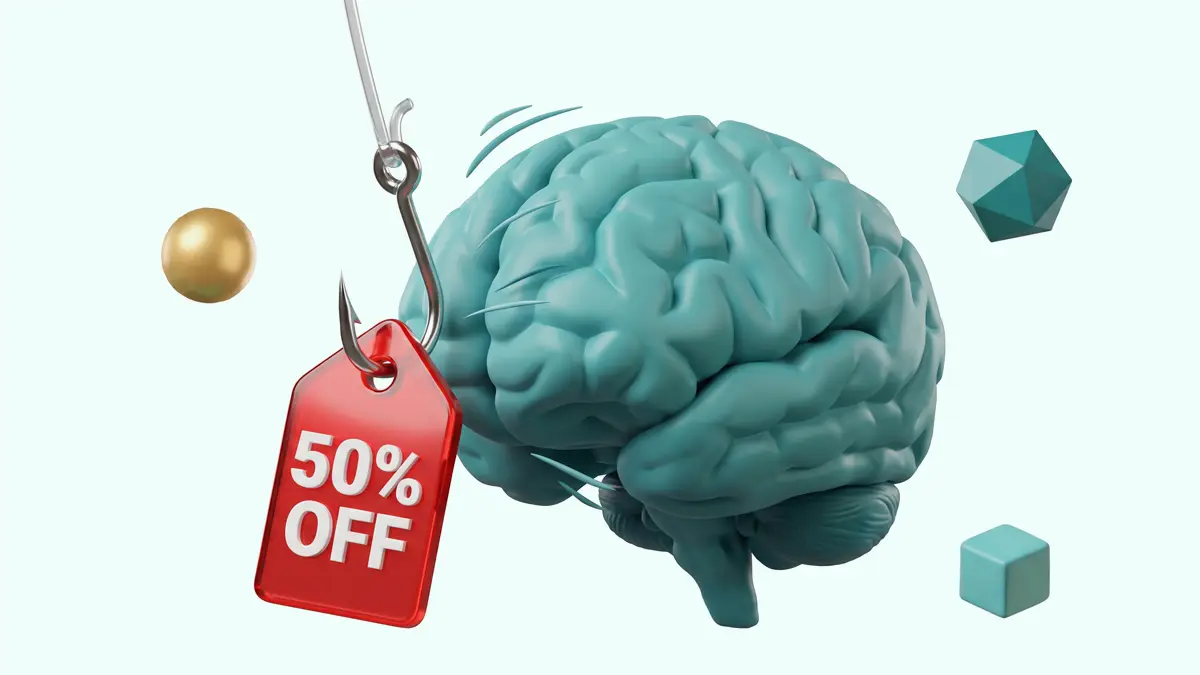
In today’s world you can shop with a single button press. New things naturally feel good. Clinical psychologists, however, note a worrying trend: the basket is increasingly filled not because of a real need, but in an attempt to dampen negative emotions. After a hard workday, a family conflict or a feeling of inner emptiness, browsing online shops acts as a quick soothing strategy. This behaviour, often called “retail therapy,” may look harmless at first, yet it hides deeper challenges of impulse control and stress management .

The dopamine trap: why do we buy when we feel bad?

The shopping process directly stimulates the brain’s reward system. As soon as you start planning a purchase or add an item to a virtual cart, the neurotransmitter dopamine is released. It is responsible for pleasure, motivation and the feeling of anticipation. The brain quickly learns to link this action with instant relief. When you feel sadness, anxiety or burnout , the body demands a quick way out, and shopping becomes the most accessible tool for changing your inner state.

The biggest challenge is that dopamine-driven euphoria fades very quickly. When the parcel arrives, the initial joy is often replaced by disappointment—reality no longer matches expectations—and by guilt about the impulsive act. Those negative emotions create a new wave of stress, which is soothed again with another purchase. A closed behavioural cycle is formed.

How science measures emotional spending

To separate ordinary consumption from problematic behaviour, clinical psychology experts use specialised assessment tools. In 2015, Norwegian researcher Dr. Cecilie Schou Andreassen and her team conducted extensive studies and introduced the Bergen Shopping Addiction Scale (BSAS). The instrument makes it possible to measure the intensity of shopping habits objectively.

Based on this model, problematic emotional buying is recognised through several core psychological criteria:

  • Salience: the person constantly thinks about past or future purchases, which interferes with focusing on everyday tasks.
  • Mood modification: buying is deliberately used as a tool to escape unpleasant thoughts or neutralise stress.
  • Tolerance: to reach the same soothing effect over time, they need to buy more often or acquire ever more expensive items.
  • Withdrawal: when they try to stop spending or cannot browse shops, strong irritability, anxiety or physical discomfort appears.
  • Conflict: a need arises to hide purchases from loved ones, shame about the behaviour is felt, and tension builds in relationships.
How to regain impulse control

Behaviour change begins with honest self-observation. Psychologists advise against harsh, punitive bans—they only raise inner tension and encourage relapse. It is far more effective to focus on recognising emotions and forming new habits.

  • Track your triggers (the HALT method). Before pressing “buy,” it helps to pause briefly and name your physical and emotional state. The widely used HALT rule (Hungry, Angry, Lonely, Tired) reminds us that when we are hungry, angry, lonely or tired, impulse control weakens sharply. Assessing your state often reveals that the real need is not a new garment or gadget, but sleep, calm or an open conversation with someone close.
  • The “cooling” pause (24-hour rule). Neuroscience shows that the largest dopamine release comes not from owning the item, but from anticipating and planning the purchase. Allow yourself that pleasure: freely add desired items to the cart, but set a strict rule not to check out for exactly 24 hours. During that time dopamine levels in the brain drop, and logic takes over decision-making again. By the next day the urge to buy has often completely disappeared.
  • Create digital friction. The modern shopping environment is designed so that checkout happens in seconds. To return decision-making to the rational mind, you need artificial barriers. Deleting saved card details from browsers, unsubscribing from promo emails and removing shopping apps from your phone creates extra time to think. Those few minutes spent looking for a physical card are often enough to stop the emotional impulse.
  • Build a list of alternative rewards. Because emotional buying comes from a need to feel better, you must have a substitute. In cognitive behavioural therapy this is called a “dopamine menu.” In advance, make a list of activities that give you pleasure and cost nothing (for example, a long walk, a favourite podcast episode, a hot bath or a workout). When you feel an irresistible urge to spend because of stress, first do one item from that list.

Shopping does not have to be the only way to cope with everyday difficulties. Once you recognise the real motives behind your behaviour, space opens up to build healthier stress-management habits. After taking the free emotional spending test , you may better understand how emotions shape your daily decisions and find a direction toward more sustainable, calmer inner balance.

Sources

  • Andreassen, C. S., Griffiths, M. D., Pallesen, S., et al. (2015). The Bergen Shopping Addiction Scale: reliability and validity of a brief screening test. Frontiers in Psychology. (Scientific foundation of the BSAS model for measuring problematic shopping criteria.)
Digital addiction and FOMO test: people looking at a smartphone surrounded by notification icons
Lifestyle

Digital Fatigue and FOMO: What Really Controls Your Attention?

For most of us the day starts the same way: the alarm goes off and, still in bed, we reach for the phone. We check social media, news sites and email. We tell ourselves we just want to catch up on overnight news. Behind that innocent morning habit, though, often sits a deeper psychological mechanism — the fear of missing out, better known as FOMO.

Read article
Procrastination types test: putting tasks off and time-management habits
Lifestyle

Why Do We Put Things Off? 4 Types of Procrastination and How to Overcome Them

Procrastination is not laziness — it is an emotion-regulation problem. Learn your delay type (perfectionist, dreamer, worrier or deadline-chaser) and how to change it.

Read article

Another discovery

Want another discovery?

If you’re still unsure where next — let chance pick an unexpected test for you.

One tap — one unexpected test.