Evening self-reflection
A short end-of-day ritual for clearer thinking. It slows rumination, helps you look at the day with fresher eyes, and settles you for rest.
1 / 6 (6 questions)
Evening self-reflection: all questions
- What's one good thing that happened today — even a tiny one — that I'm grateful for?
Reflection guide
- What this does: Shifts the brain from scanning for threats (survival mode) into a sense of safety — which you need for decent sleep.
- How to answer: Pick something small. A nice cup of tea, a warm shower, decent weather, a smile.
- What to avoid: Deciding the day was “nothing special.” Gratitude works best with ordinary, everyday details.
- What didn't go perfectly today — and can I forgive myself instead of chewing on it?
Reflection guide
- What this does: Softens perfectionism and self-criticism. Research suggests self-compassion lowers cortisol more effectively than trying to “fix” yourself.
- How to answer: Name the fact (e.g. I didn't reply to those emails) and tell yourself: “I did what I could with the energy I had today.”
- What to avoid: Analysing the mistake or building tomorrow's to-do list. This question is only about letting go — not solving problems.
- Where in my body do I feel the most tension right now — and how can I release it?
Reflection guide
- What this does: Brings attention out of restless thoughts and back into the body. Physical release is a direct cue to the brain that sleep can begin.
- How to answer: Scan your body (jaw, neck, and shoulders are common). Take three slow breaths and consciously soften that spot.
- What to avoid: Judging or getting angry at your body (“why does my back hurt again?”). Just notice the tension and let it ease.
- What's one simple thing that would make tomorrow feel a little easier or nicer?
Reflection guide
- What this does: Softens tomorrow anxiety by planting a small, positive, doable expectation.
- How to answer: Choose a personal, pleasant detail. Coffee on the balcony in the morning, or a short walk at lunch.
- What to avoid: Big tasks or work planning. Evening is for planning pleasure — not more work.
- What am I consciously leaving with this day — and not carrying into sleep?
Reflection guide
- What this does: Creates a symbolic end-of-day ritual. It draws a clear line between daytime work and night-time rest.
- How to answer: Name a worry or unfinished task and say silently: “For tonight, I'm setting this aside. This day is done.”
- What to avoid: Trying to solve the problem in bed. Night isn't for problem-solving — that's tomorrow's job.
- Am I giving myself full, unconditional permission to do nothing, solve nothing — and simply rest?
Reflection guide
- What this does: Undercuts “rest guilt.” Busy minds often treat rest as wasted time. This question gives you clear psychological permission to stop.
- How to answer: Say to yourself: “I've done enough today. My only job now is to rest.” Notice how your body can feel heavier and quieter after that.
- What to avoid: Conditions (“I'll rest, but tomorrow I have to do twice as much”). Rest isn't a prize you earn — it's a basic right.
Process
How it works
Three steps from an open question to a useful insight.
- 01
Pick a theme
Choose a card deck for the area you care about. Every question and situation is built to prompt deep, structured thinking.
- 02
Flip the card
Read the question and tap the card. On the other side you’ll find a short explanation, a practical tip, or clear conversation guides.
- 03
Reflect and continue
Take a moment to process what you learned — on your own or with someone else. Then move to the next question at your own pace.
Next
Related tests
Continue your self-reflection with free Tester.lt tests.
-
 PsychologyPopular
~6 min · Free
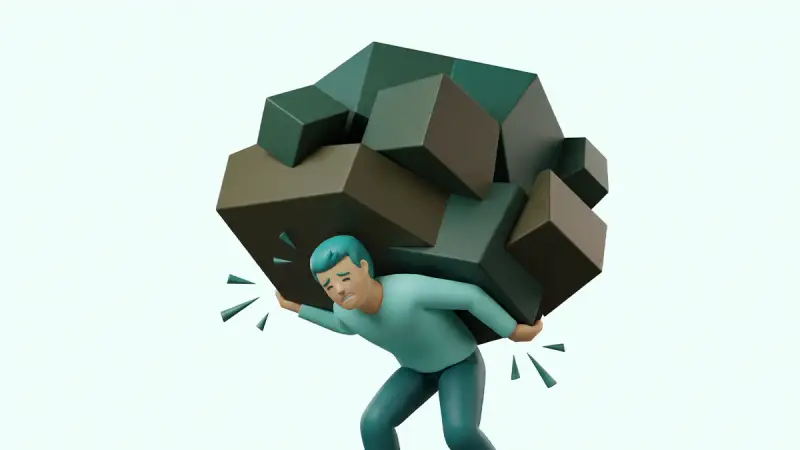
Stress Level Test
Have you recently felt constantly tense, struggled to fall asleep, or become irritated by minor issues? A hectic routine, endless tasks, and mounting responsibilities can become so familiar that you may not notice your body and mind beginning to show signs of strain. This self-assessment will help you reflect on how you have felt over the past month. Your answers will show how much stress is affecting your daily life and whether you have enough time for restorative rest. The test takes about 6 minutes.
Take the test -
 Personality
~5 min · Free
What Really Makes Me Happy?
We often wonder whether we are truly happy. According to psychologists, happiness is more than a good mood—it is a personal balance of pleasure, engagement, meaning and connection. Sometimes we feel an inner emptiness simply because we are living by someone else’s script that does not suit us. This test helps you find out which of the four elements of happiness matters most to you. After the questions, you will discover your dominant happiness profile and see which element you most need right now to restore balance. The test takes about 5 minutes.
Take the test -
 PsychologyPopular
~6 min · Free
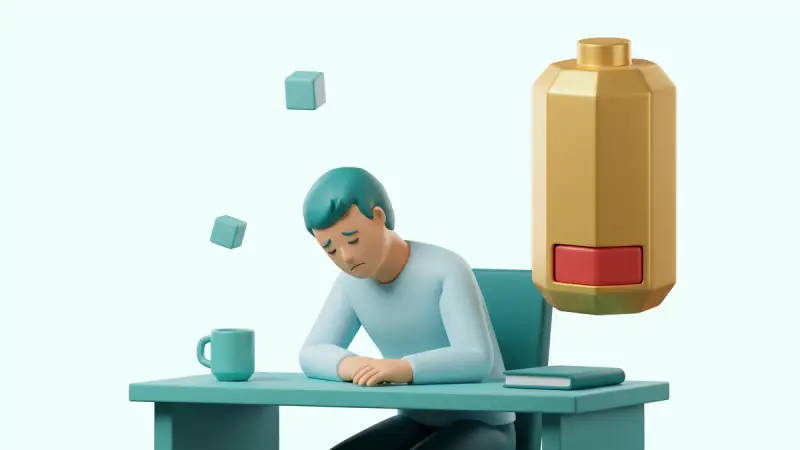
Burnout Test
Burnout does not happen overnight. It is a gradual process marked by persistent fatigue, growing indifference towards your responsibilities, and a declining sense of purpose at work. If you still feel exhausted after the weekend and thoughts of work cause intense irritation, these may be signs of burnout. This test focuses on everyday situations at work. Your answers will help you understand whether your fatigue is within a typical range or calls for more substantial changes to your routine and workload. The test takes about 6 minutes.
Take the test
- Career
30 questions · ~20–60 min · Free
Job interview simulator
Prepare for your job interview without stress or guesswork. You'll find the most common questions, what employers are really assessing, proven answer frameworks, and critical mistakes to avoid. Flip the first card and start practicing.
Start - Psychology
30 situations · ~15–40 min · Free
Spotting thinking traps
30 practical situations for spotting cognitive distortions: learn to separate objective facts from automatic thoughts and reframe them constructively.
Start - Relationships
30 questions · ~20–60 min · Free
Open conversations for couples
Questions grounded in couples psychology. The cards act as a neutral third party, so you can talk about expectations, boundaries, and quiet tensions without setting off defensiveness.
Start
Frequently asked questions
Who are these evening cards for?
They're a psychological tool for easing evening anxiety and rumination before sleep. This set of 6 questions works as a structured “close the day” ritual — a clear look at what happened, then a calmer path into rest.
Should I go through all 6 cards every night?
Yes — that’s the intended way to use this practice. The same 6 questions walk your mind through stages of winding down: gratitude, self-forgiveness, releasing tension, and full permission to rest. The routine feels familiar to the brain and usually takes only 2–3 minutes.
Why separate facts from feelings before bed?
Feelings often inflate the day's problems (psychologists call this catastrophising). When you name only what's solid — what went well, what you can't change anymore — your nervous system settles and it's easier to let go.
Do I need to write the answers in a journal?
Writing by hand can slow your thoughts further, but it isn't required. You can use the cards as quiet prompts in bed. What matters is an honest, factual answer to yourself.
What is rumination, and how does this help?
Rumination is looping the same negative thoughts or past mistakes — and it often gets louder at night. These cards act as an anchor: one clear question at a time, so your mind has less room to wander into worry scenarios.
What if answering a question makes me more anxious?
Flip the card — the back includes a “What to avoid” line. Anxiety often shows up when reflection turns into self-criticism. The aim is to name the day's experience plainly, not to put yourself on trial.
Is this free, and is my data stored?
It's completely free and needs no sign-up. Everything runs in your browser — we don't collect, analyse, or store your answers or viewing history. It's a private space for end-of-day reflection.