Big Five (OCEAN) Personality Traits Test
Toxic Relationship Warning Signs Test
Emotional Intelligence (EQ) Test
Introvert, Extrovert or Ambivert?
Political Compass: What Are Your Real Values?
What Is Your Love Language?
Digital Engagement and FOMO: Your Relationship with Smart Devices
Which Career Path Suits Me Best?
What Is My Leadership Style?
Is My Workplace Toxic?
What Is My Procrastination Type?
What Is My Attachment Style in Relationships?
What Type of Shopper Am I?
What Is My Relationship with Money?
Can I Say No? Personal Boundaries Test
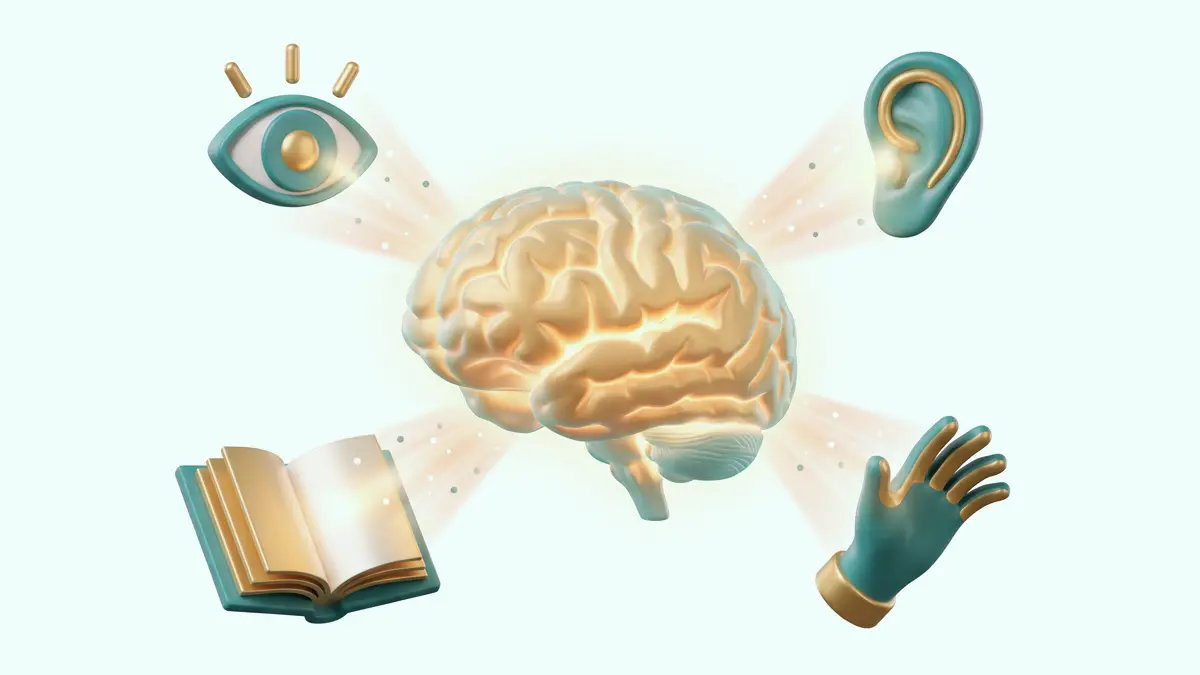
What Is My Learning Style?
What Is My Sleep Chronotype?
What Really Makes Me Happy?
Conflict Resolution Test: How Do You Handle Disagreements?
Modern Habits Test: What Drains Your Energy the Most?
Emotional Spending Test: Has Shopping Become Your Therapy?
Marketing Resistance Test: How Strongly Do Retail Tactics Influence You?
Workaholism Test: Where Does Ambition End and Addiction Begin?
Work-Life Balance Test: Can You Switch Off from Work?
Imposter Syndrome Test: Why Don't You Believe in Your Success?
Salary Negotiation Test: What Is Holding Back Your Earnings?
Codependency in Relationships Test: Are You Losing Yourself?
Emotional Availability Test: Are You Ready for Closeness?
Sternberg Love Types Test: What Drives Your Relationship?
7 Types of Rest Test: What Kind of Rest Do You Actually Need?
Big Five (OCEAN) Personality Traits Test
Toxic Relationship Warning Signs Test
Emotional Intelligence (EQ) Test
Introvert, Extrovert or Ambivert?
Political Compass: What Are Your Real Values?
What Is Your Love Language?
Digital Engagement and FOMO: Your Relationship with Smart Devices
Which Career Path Suits Me Best?
What Is My Leadership Style?
Is My Workplace Toxic?
What Is My Procrastination Type?
What Is My Attachment Style in Relationships?
What Type of Shopper Am I?
What Is My Relationship with Money?
Can I Say No? Personal Boundaries Test
What Is My Learning Style?
What Is My Sleep Chronotype?
What Really Makes Me Happy?
Conflict Resolution Test: How Do You Handle Disagreements?
Modern Habits Test: What Drains Your Energy the Most?
Emotional Spending Test: Has Shopping Become Your Therapy?
Marketing Resistance Test: How Strongly Do Retail Tactics Influence You?
Workaholism Test: Where Does Ambition End and Addiction Begin?
Work-Life Balance Test: Can You Switch Off from Work?
Imposter Syndrome Test: Why Don't You Believe in Your Success?
Salary Negotiation Test: What Is Holding Back Your Earnings?
Codependency in Relationships Test: Are You Losing Yourself?
Emotional Availability Test: Are You Ready for Closeness?
Sternberg Love Types Test: What Drives Your Relationship?
7 Types of Rest Test: What Kind of Rest Do You Actually Need?
Big Five (OCEAN) Personality Traits Test
Toxic Relationship Warning Signs Test
Emotional Intelligence (EQ) Test
Introvert, Extrovert or Ambivert?
Political Compass: What Are Your Real Values?
What Is Your Love Language?
Digital Engagement and FOMO: Your Relationship with Smart Devices
Which Career Path Suits Me Best?
What Is My Leadership Style?
Is My Workplace Toxic?
What Is My Procrastination Type?
What Is My Attachment Style in Relationships?
What Type of Shopper Am I?
What Is My Relationship with Money?
Can I Say No? Personal Boundaries Test
What Is My Learning Style?
What Is My Sleep Chronotype?
What Really Makes Me Happy?
Conflict Resolution Test: How Do You Handle Disagreements?
Modern Habits Test: What Drains Your Energy the Most?
Emotional Spending Test: Has Shopping Become Your Therapy?
Marketing Resistance Test: How Strongly Do Retail Tactics Influence You?
Workaholism Test: Where Does Ambition End and Addiction Begin?
Work-Life Balance Test: Can You Switch Off from Work?
Imposter Syndrome Test: Why Don't You Believe in Your Success?
Salary Negotiation Test: What Is Holding Back Your Earnings?
Codependency in Relationships Test: Are You Losing Yourself?
Emotional Availability Test: Are You Ready for Closeness?
Sternberg Love Types Test: What Drives Your Relationship?
7 Types of Rest Test: What Kind of Rest Do You Actually Need?
Big Five (OCEAN) Personality Traits Test
Toxic Relationship Warning Signs Test
Emotional Intelligence (EQ) Test
Introvert, Extrovert or Ambivert?